The Real Fix for Back Pain From Carrying a Heavy Bag Every Day
The advice to just carry a lighter bag misses most of what’s actually causing daily back pain from bag-carrying, since weight is only one variable among several that matter just as much. A lighter bag carried the wrong way can hurt more than a heavier one carried well. Here is the full mechanism behind bag-related back pain, and the specific changes that address it. This is general information, not medical advice.

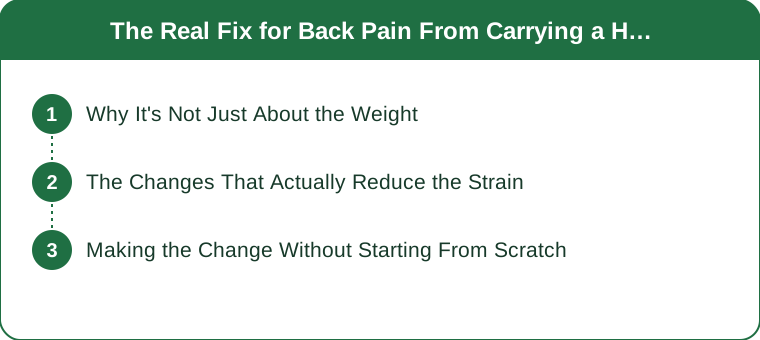
Why It’s Not Just About the Weight
The other variables: the the-asymmetric-loading-compounds-over-time (the a single-shoulder bag creating a consistent lateral lean that, repeated daily for months, builds a real postural adaptation, connecting to bra-strap-shoulder-pain-connection-guide asymmetry logic — the repeated-asymmetry-matters-more-than-any-single-days-weight), the the-bag-position-relative-to-center-of-gravity (the a bag worn low and swinging away from the body creating more rotational strain on the lower back than the same weight held close and high — the position-changes-the-effective-load-more-than-actual-weight-does), the the-strap-width-and-pressure-distribution (the a narrow strap concentrating pressure into a small area of the shoulder and upper back, causing localized pain distinct from general fatigue — the narrow-straps-create-a-different-pain-pattern-than-wide-ones), the the-compensatory-posture-changes (the unconsciously shifting posture to counterbalance the bag’s pull, creating strain patterns in areas that never touch the bag directly — the compensation-spreads-the-strain-beyond-the-carrying-side), the the-inconsistent-carrying-side-doesnt-fully-solve-it (the switching shoulders occasionally reducing but not eliminating cumulative asymmetric strain if the switch isn’t frequent or deliberate enough — the occasional-switching-helps-less-than-assumed), and the reframe (the pain mechanism as position, strap design and compensation patterns compounding with weight, not weight acting alone).

The Changes That Actually Reduce the Strain
What actually helps: the switch-to-a-crossbody-or-backpack-style (the distributing weight across the torso or both shoulders eliminating the single-side asymmetric load entirely, the single highest-impact change available — the distributing-across-the-body-beats-any-single-shoulder-strategy), the the-wear-the-bag-higher-and-closer-to-the-body (the positioning the bag near the natural waist and close to the torso rather than low and swinging, reducing the rotational lever arm on the lower back — the closer-to-center-of-gravity-reduces-strain-regardless-of-weight), the the-widen-the-contact-area-with-a-strap-pad-or-wider-strap (the a wider strap or an added pad distributing pressure over more surface area, directly addressing the localized pain a narrow strap creates — the wider-contact-area-reduces-pressure-related-pain-specifically), the the-actually-reduce-unnecessary-weight-too (the removing genuinely unused items from the bag on a weekly basis, since weight still matters even though it’s not the only factor — the weight-reduction-still-helps-just-isnt-the-whole-answer), the the-strengthen-the-muscles-that-stabilize-against-the-load (the back and core strengthening work, per lat-exercises-for-a-strong-back-guide and rows-for-back-strength-guide logic, building the capacity to carry a bag without as much compensatory strain — the stronger-stabilizers-tolerate-asymmetric-load-better), and the frame (the actual fix as switching to a distributed-weight bag style, positioning it close to the body, widening the contact area, trimming real weight, and strengthening the supporting muscles — a combination, not a single swap).
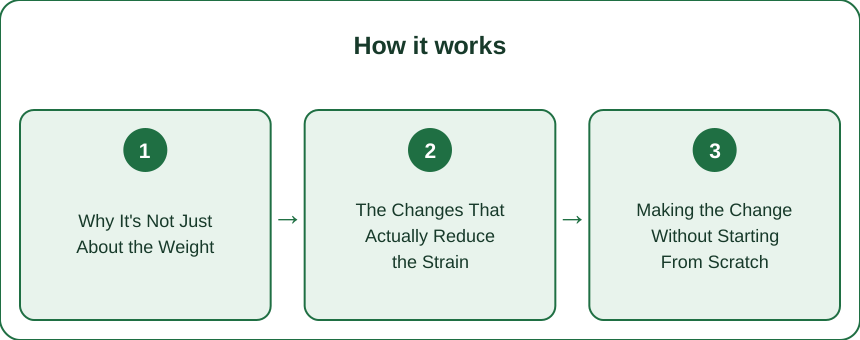
Making the Change Without Starting From Scratch
A practical transition: the alternate-bag-styles-across-the-week-during-transition (the using the improved carrying method most days while allowing an old favorite bag occasionally, easing the change rather than requiring an abrupt switch — the gradual-transition-is-more-sustainable-than-an-abrupt-one), the the-do-a-mirror-posture-check-with-the-new-setup (the the same posture-check-mirror-test logic applied specifically while wearing the new bag setup, confirming the position is actually neutral and not just assumed to be — the verify-the-new-setup-doesnt-just-trust-it), the the-track-pain-levels-over-two-to-three-weeks (the a real strain-reduction change typically showing noticeable improvement within a few weeks of consistent use, giving a fair trial period before judging whether it worked — the two-to-three-week-trial-is-a-fair-test), the the-address-existing-imbalance-alongside-the-bag-fix (the checking for pre-existing desk-worker-back-pain-root-cause-guide factors that a bag change alone won’t fully resolve if they’re also present — the bag-fix-and-desk-posture-fix-often-need-to-happen-together), the the-know-when-persistent-pain-needs-a-professional (the pain that doesn’t meaningfully improve after the carrying changes and continues past several weeks warranting an actual evaluation rather than more self-adjustment — the persistent-pain-past-a-fair-trial-warrants-professional-input), and the frame (the transition as gradual, verified with an actual posture check, given a fair few weeks, and escalated to a professional if it doesn’t resolve. This is general information, not medical advice.)
Back pain from a heavy daily bag comes from more than just weight — asymmetric single-shoulder loading, low bag position, and narrow strap pressure all compound the problem in ways that a lighter bag alone won’t fix. Switching to a crossbody or backpack style that distributes weight across the body, positioning the bag high and close to the torso, and widening the strap’s contact area address the mechanism directly, while trimming genuinely unused weight and strengthening the back’s stabilizing muscles round out the fix. Giving the new setup a fair two-to-three-week trial, and getting a professional evaluation if pain persists past that, keeps the change from being either abandoned too early or pushed through when something more needs attention. This is general information, not medical advice.
Keep Reading
This article is for general informational and styling purposes only. Fit, sizing, and product availability may vary.