Why Your Back Workout Isn't Fixing Your Posture (Even Though You're Getting Stronger)
Quick Answer: Building back muscle strength and correcting posture are related but separate problems — strength gives your body the capacity to hold a better position, but without directly training postural awareness and desk-time habits, that capacity often goes unused for 8+ hours a day.
Your rows have gotten heavier, your back looks visibly stronger, and you’re still catching your reflection in a slumped desk posture by 3pm. That’s not a contradiction — it’s a sign that strength and posture habit are two different targets.

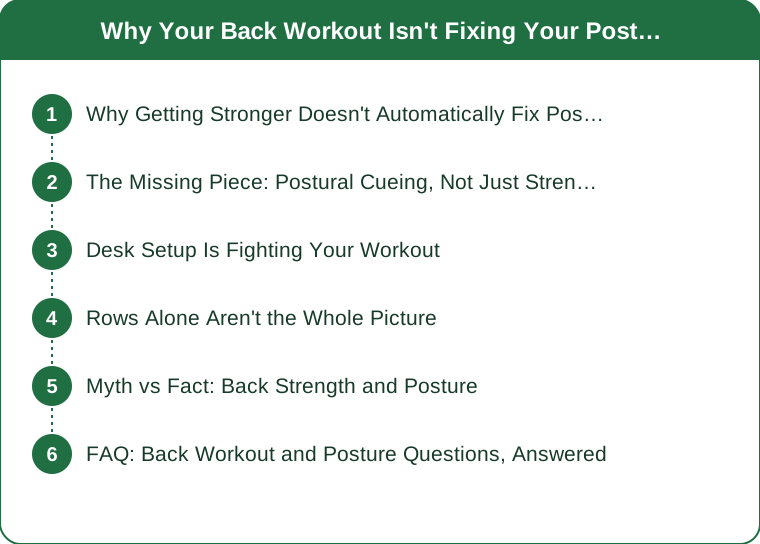
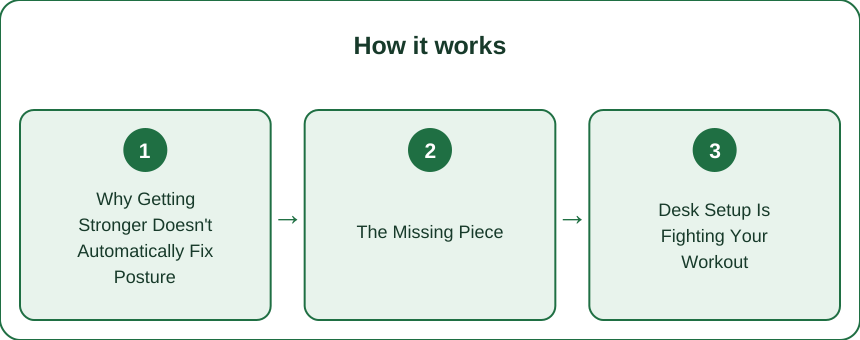
Why Getting Stronger Doesn’t Automatically Fix Posture
Strength training builds the muscular capacity to hold an upright position, but your body defaults to whatever posture is most habitual, not whatever it’s now strong enough to do. Without a conscious bridge between ‘I have the strength’ and ‘I’m actually using it right now,’ the new strength sits mostly unused during the 8+ hours a day you’re not actively training.
The Missing Piece: Postural Cueing, Not Just Strength
Adding regular positional check-ins — a phone reminder every hour to notice and reset your seated posture, for example — builds the habit layer that pure strength training doesn’t address on its own. This is often the single biggest lever for people who are already doing back exercises but not seeing posture change.
Desk Setup Is Fighting Your Workout
A monitor positioned too low, a chair without lumbar support, or a desk height that encourages forward head lean will pull you back into poor posture within minutes, regardless of how strong your back muscles are. No amount of rowing fully overcomes hours of daily setup working against you.

Rows Alone Aren’t the Whole Picture
Rows strengthen the mid-back pulling muscles, but posture also depends heavily on deep neck flexor strength and upper trap flexibility — areas most standard back workouts don’t directly target. Adding chin tucks and upper trap stretches alongside rows addresses the parts of the posture chain that rowing misses.
Myth vs Fact: Back Strength and Posture
Myth: A strong back automatically means good posture. Fact: strength provides the option for good posture, but habit, desk setup, and often-neglected areas like neck flexors determine whether that option gets used.
Myth: Posture correction happens automatically over time with any exercise. Fact: posture habits usually need deliberate, repeated cueing to actually shift — it rarely improves as a side effect of unrelated training.
FAQ: Back Workout and Posture Questions, Answered
How long before posture habits actually change?
Most people need 4-8 weeks of consistent conscious cueing (hourly check-ins, desk adjustments) alongside strength work before the improved posture starts feeling automatic rather than effortful.
Do I need to change my workout, or just add habits?
Usually both — keep the rowing and back work, but add chin tucks, upper trap stretches, and hourly posture check-ins rather than assuming the workout alone will eventually transfer.
Is a posture corrector device worth using?
They can help build initial awareness of the correct position, but relying on them long-term without building the muscular habit tends to just shift dependence rather than fixing the underlying issue.
TL;DR:
- Strength gives capacity for better posture, but doesn’t automatically create the habit
- Add hourly posture check-ins to bridge strength and actual daily posture
- Fix desk setup — it fights against even a strong back all day
- Add chin tucks and upper trap stretches; rows alone miss the neck-flexor piece
If your back is objectively stronger but your posture hasn’t changed, the workout isn’t failing — it’s just solving a different half of the problem than the habit and setup issues that make up the other half.
Keep Reading
This article is for general informational and styling purposes only. Fit, sizing, and product availability may vary.